Questions to ask before choosing a heat pump installer
The installer matters as much as the heat pump. The questions to ask before you choose, and what good answers look like.
Read the article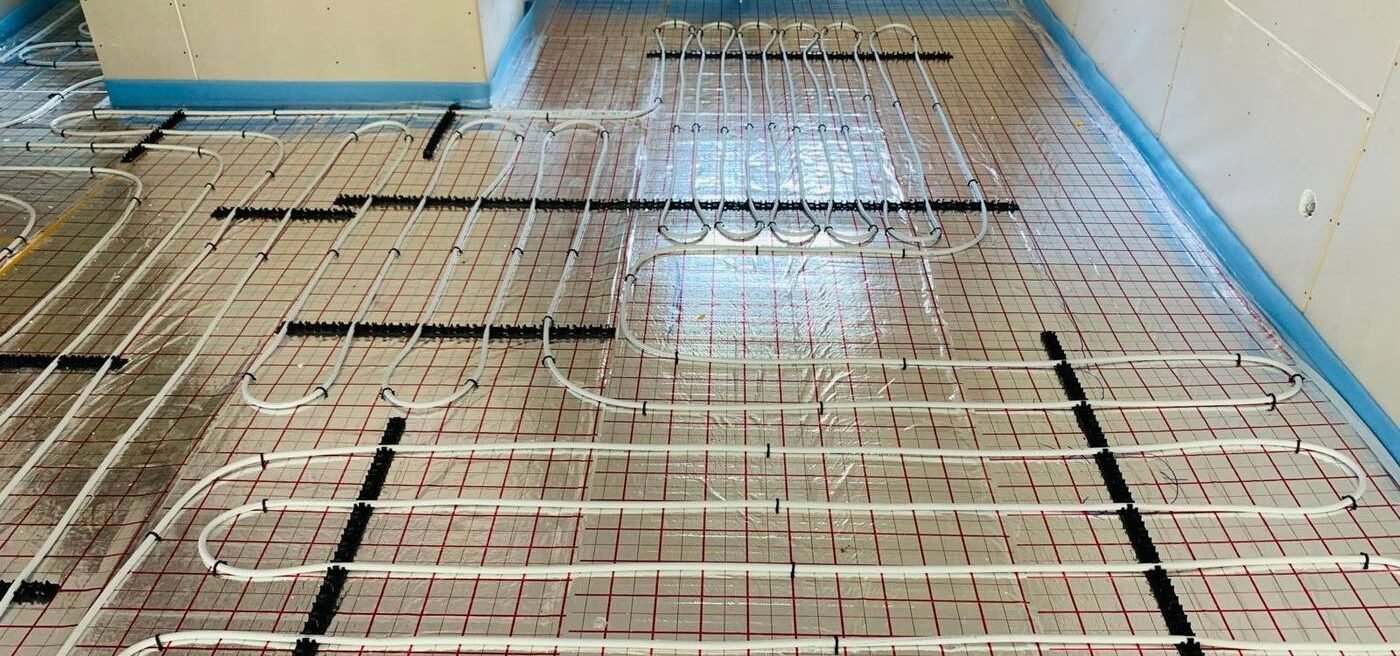
A bathroom renovation timeline has two parts: preparation and work on site. Preparation, including planning, choosing fixtures, quotes, any approvals and delivery times, often takes longer than the building work itself. On site, a complete renovation of a typical bathroom involves demolition, plumbing and electrical rough-in, waterproofing, tiling, installing fixtures and finishing, with several trades working one after the other. Drying times for screed and waterproofing are part of the schedule. Good coordination, early ordering of fixtures and a clear plan are the best ways to avoid delays.
Our article on renovating a bathroom covers the planning questions in more detail.
Some fixtures, special tiles or made-to-measure shower screens have delivery times of several weeks. Order early so they arrive before they are needed. Starting demolition before the materials are confirmed is the most common cause of long interruptions.
| Step | What happens |
|---|---|
| Protection and demolition | Protect adjacent rooms, remove fixtures, tiles and old pipes |
| Plumbing rough-in | New supply and drain pipes, installation frames for wall-hung fixtures |
| Electrical rough-in | Lighting, sockets, extractor fan, underfloor heating if planned and permitted (electric heating must comply with the RUEn) |
| Walls and floor | Plaster, screed, levelling; drying time |
| Waterproofing | Sealing in wet areas; drying time |
| Tiling | Walls and floor, grouting |
| Fixtures | WC, washbasin, shower, taps, accessories |
| Finishing | Silicone joints, painting, final cleaning, handover |
Screed, plaster and waterproofing need time to dry before the next layer goes on. Rushing these steps causes problems later: cracked tiles, failing joints or moisture under the waterproofing. The product data sheets specify the drying times. A good schedule includes them from the start.
If the home has only one bathroom, plan for the time without a working toilet or shower. Options include staying with family, a hotel for part of the time, or a temporary WC installed by the plumber. In some projects, the WC can be reconnected provisionally between phases. Discuss this with the contractor in advance.
Replacing only the fixtures or the shower is much faster than a full renovation. If pipes and tiles are in good condition, a partial renovation can be completed in a few days. Ask the plumber to check the condition of hidden pipes before deciding.
A family renovates the only bathroom in their apartment. Fixtures and tiles are chosen and ordered six weeks in advance. Demolition reveals old galvanised pipes, which are replaced as planned. A temporary WC is installed for the critical days, and the family stays with relatives for the tiling and drying phase. The schedule holds because all materials are on site in time.
Each step depends on the previous one. If one trade is delayed, the others move too. That is why a single coordinator is so useful.
In apartment buildings, demolition and drilling are noisy. Most buildings have rules on working hours, and neighbours appreciate advance notice. The building manager may need to be informed, especially if water must be shut off for the whole building during pipe connections. Plan these moments carefully and announce them in time.
Before demolition, chasing, core drilling or any work on materials in a building constructed before 1990, the possible presence of hazardous substances, including asbestos, must be checked (for example in tile adhesives, plaster, fillers, floor coverings or pipe insulation). These checks come before the work starts; asbestos is not just a surprise to handle on site. If materials are suspected, work stops and the required procedure is followed with recognised specialists, as Suva requires.
A small partial renovation, possibly. A full renovation with new pipes, waterproofing and tiling usually takes longer.
Ideally one contractor who coordinates plumbing, electrics, tiling and finishing.
Any time, but avoid periods when you need the bathroom for guests or holidays.
AcquaKlima Sagl plans and carries out bathroom renovations with coordinated trades across Ticino. Learn more about plumbing and bathroom renovation or get in touch.
The installer matters as much as the heat pump. The questions to ask before you choose, and what good answers look like.
Read the articleRadiators cold at the bottom, a noisy boiler, dark water when bleeding? Sludge may be the cause. How a heating system flush helps.
Read the articleThe Buildings Programme supports energy renovations across Switzerland. What it funds, how it works with the canton and how to apply.
Read the articleCall us or message us on WhatsApp: we reply in Italian, French, German and English.