Questions to ask before choosing a heat pump installer
The installer matters as much as the heat pump. The questions to ask before you choose, and what good answers look like.
Read the article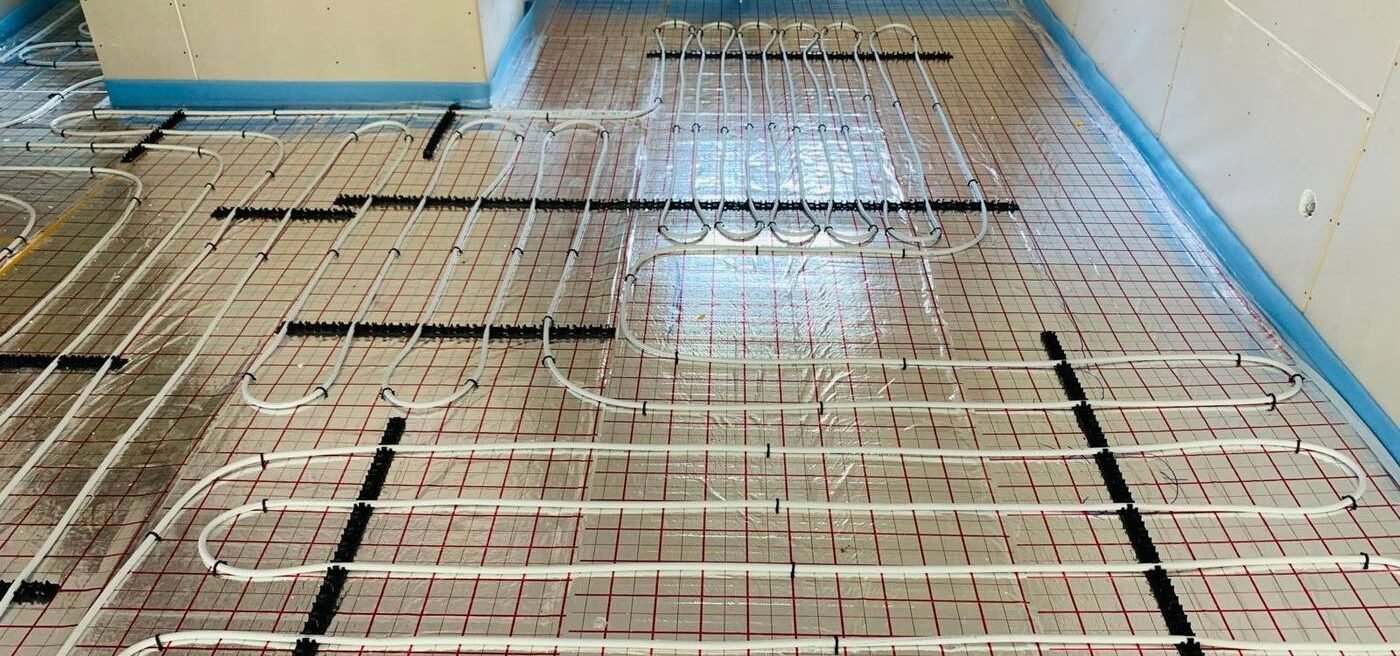
A heating system flush removes sludge, rust particles and debris that build up in radiators, pipes and the boiler over the years. Signs that may point to sludge include radiators that are much colder at the bottom or in patches, very dark water when bleeding, noisy boilers or pumps and slow heat-up, but each symptom can have other causes, so a diagnosis should come before flushing. Flushing involves circulating water, sometimes with a cleaning agent, through the system at high flow, radiator by radiator, until the water runs clear. Afterwards, a magnetic filter and, where appropriate, an inhibitor or treated fill water help keep the system clean. Clean water is particularly important when installing a new boiler or a heat pump.
| Sign | Explanation |
|---|---|
| Radiator much colder at the bottom | Possible sludge (a slight gradient is normal); check other causes too |
| Dark or black water when bleeding | Iron oxide in the system |
| Noisy boiler or pump | Restricted flow, deposits in the heat exchanger |
| Slow heat-up | Reduced circulation |
| Frequent pump failures | Abrasive particles |
A radiator cold at the top usually has air, not sludge; see how to bleed radiators.
A magnetic filter on the return pipe captures iron particles before they reach the boiler or heat pump. It is cleaned during servicing. It protects the heat exchanger and pump and is a sensible addition to most systems with steel components.
Modern boilers and heat pumps have compact heat exchangers that are sensitive to deposits. Manufacturers often specify requirements for the system water. Treated fill water and, where suitable, inhibitors help meet these requirements. Avoid frequent topping up, which brings in oxygen; if the system often needs topping up, find the leak.
Installing a new heat generator on an old, dirty system can shorten its life and void warranties. A flush before installation is good practice, especially when switching to a heat pump, which relies on good flow.
Older underfloor heating systems with non-oxygen-tight pipes can develop sludge and biofilm. Special flushing and cleaning methods exist for these circuits. Signs include uneven floor temperatures and reduced flow in some loops.
Several radiators are cold at the bottom, and the boiler is noisy. Bleeding releases black water. The technician flushes the system radiator by radiator, refills with treated water, adds an inhibitor and installs a magnetic filter. The radiators heat evenly, and the boiler runs quietly. At the next service, the filter shows how much debris it has captured.
Sometimes a single radiator is so blocked that flushing does not fully restore it. In that case, replacing the radiator can be more economical, especially if a larger model is needed anyway for a future heat pump. During a flush, the technician can identify which radiators respond well and which may need replacing. Combining flushing with radiator upgrades and hydraulic balancing gives the best result.
Only when needed or before installing a new heat generator; good water quality reduces the need.
A proper flush needs equipment and experience; it is best done by a professional.
Not if the cause is air, a stuck valve or poor balancing.
AcquaKlima Sagl flushes heating systems, installs filters and services boilers and heat pumps across Ticino. Learn more about heating and heat pumps or get in touch.
The installer matters as much as the heat pump. The questions to ask before you choose, and what good answers look like.
Read the articleThe Buildings Programme supports energy renovations across Switzerland. What it funds, how it works with the canton and how to apply.
Read the articleBefore buying a house in Ticino, look closely at the heating and plumbing. What to check, which documents to ask for and what it means for your budget.
Read the articleCall us or message us on WhatsApp: we reply in Italian, French, German and English.