Questions to ask before choosing a heat pump installer
The installer matters as much as the heat pump. The questions to ask before you choose, and what good answers look like.
Read the article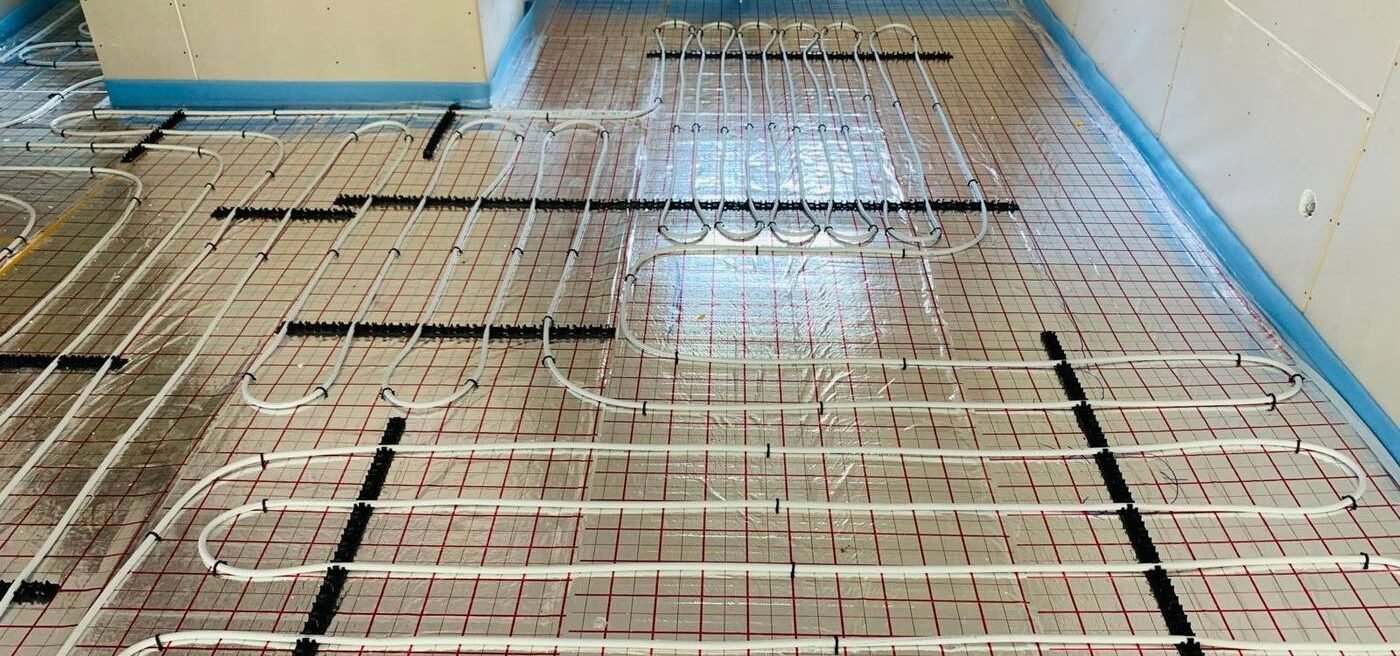
To bleed radiators, you release trapped air through the small valve at the top corner of each radiator using a radiator key. The typical sign is a radiator that is warm at the bottom but cold at the top, sometimes with gurgling noises. Following the manufacturer’s procedure, switch off the heating and circulation pump and let the system cool so the water is not hot, place a cloth under the valve, open it slowly until air hisses out and water appears, then close it. Afterwards, check the system pressure on the boiler or heat pump gauge and top up if needed. In apartment buildings with central heating, ask the building management before bleeding, because the central system may need topping up.
Bleeding releases air, and the system pressure drops slightly. In houses, the gauge on the boiler or heat pump shows the pressure. If it falls below the recommended range (often marked on the gauge or stated in the manual), restore it following the manufacturer’s instructions. Topping up is not simply a connection to a tap: do it only if the manual describes it as a user task, using the intended filling device, water suitable for the system and the backflow protection that keeps it separate from the drinking water. For undocumented top-ups, repeated losses or central systems, contact the technician or building management. Do not overfill; too high a pressure causes other problems. If you are unsure, ask your service company.
In central heating systems serving several apartments, bleeding radiators in one unit can lower the pressure for the whole building. Many buildings ask tenants to contact the building management, which organises bleeding and topping up centrally. Check your house rules.
If you need to bleed frequently, there may be a leak, a faulty expansion vessel or an automatic air vent that does not work. Have the system checked.
A radiator that stays cold after bleeding may have a stuck thermostatic valve, a closed lockshield valve, sludge in the radiator or a balancing problem. Sludge shows up as cold spots at the bottom rather than the top. These issues need a professional.
With underfloor heating, venting the manifold (through its air vents) is different from flushing the individual circuits, which needs a technical procedure with controlled filling and is a job for a technician. Heat pump systems are sensitive to air because it reduces flow and can trigger faults. If your heat pump shows flow errors, air may be the cause; contact the installer.
At the start of the heating season, two upstairs radiators stay cold at the top and gurgle. The owner switches off the heating and pump, lets the radiators cool, then bleeds them from the ground floor up as the manual describes, and the pressure drops slightly. He tops up to the recommended value with the system’s filling device, following the manual. The radiators heat evenly again.
Many systems have automatic air vents at high points or on the boiler. They release air continuously without manual bleeding. Over time, they can stick or start dripping because of dirt or limescale. If a vent is wet or has white deposits, have it checked or replaced during the next service.
Only when needed, typically at the start of the heating season or after work on the system.
It may be dark; that is normal in older systems. Very dark or sludgy water suggests the system needs flushing.
Opening the valve gently is safe. Do not use excessive force.
AcquaKlima Sagl services heating systems, solves air and pressure problems and balances radiators across Ticino. Learn more about heating and heat pumps or get in touch.
The installer matters as much as the heat pump. The questions to ask before you choose, and what good answers look like.
Read the articleRadiators cold at the bottom, a noisy boiler, dark water when bleeding? Sludge may be the cause. How a heating system flush helps.
Read the articleThe Buildings Programme supports energy renovations across Switzerland. What it funds, how it works with the canton and how to apply.
Read the articleCall us or message us on WhatsApp: we reply in Italian, French, German and English.