Questions to ask before choosing a heat pump installer
The installer matters as much as the heat pump. The questions to ask before you choose, and what good answers look like.
Read the article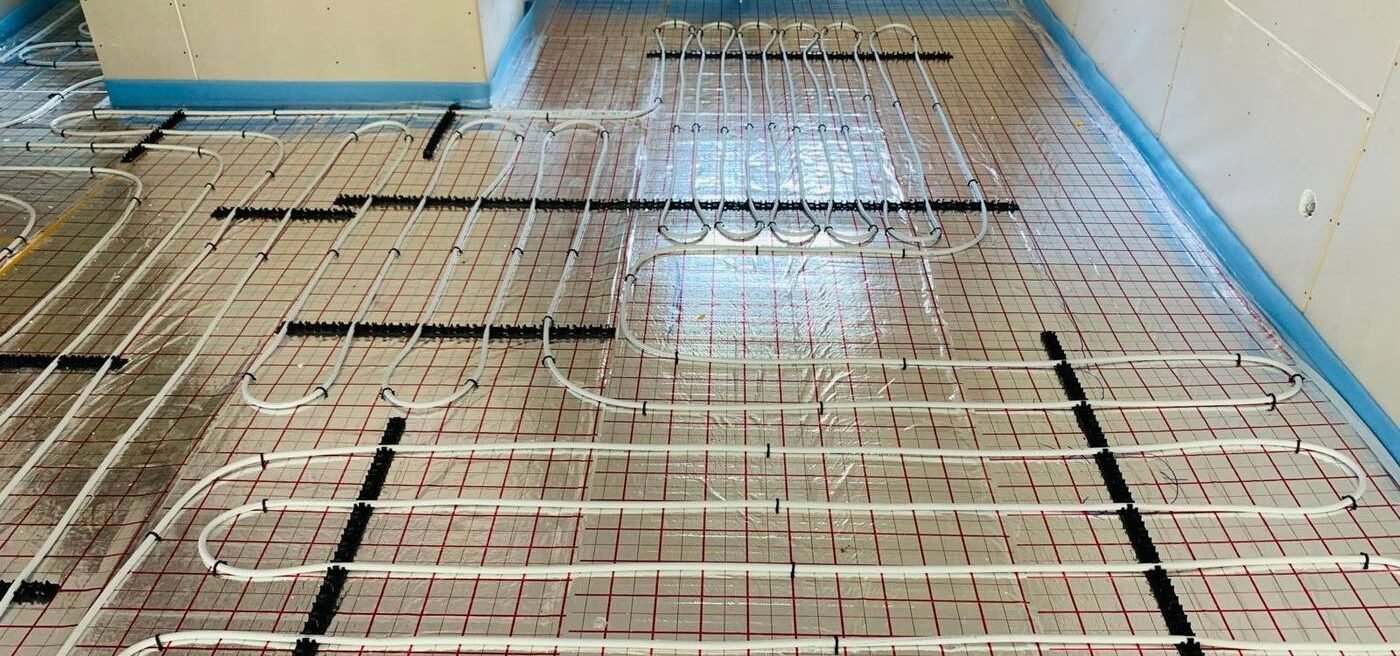
Heating systems in Switzerland differ from what many newcomers know. Most homes have central heating with radiators or underfloor heating, supplied by an oil or gas boiler, a heat pump, a wood or pellet boiler, or a district heating network. In apartment buildings, one central system usually heats all units, and costs are shared through service charges. Owners or landlords are responsible for maintenance, including regular servicing and, for oil and gas systems, periodic combustion checks. Tenants control their comfort through thermostatic valves and good ventilation habits, and should report problems to the building management.
| System | Notes |
|---|---|
| Oil boiler | Still common in older buildings; oil tank in the basement |
| Gas boiler | Where a gas network exists |
| Heat pump | Increasingly standard in new and renovated buildings |
| Wood or pellets | Renewable; storage space needed |
| District heating | Connection to a local network; no own boiler |
| Direct electric heating | Found in some older homes; being phased out in many cantons |
Most homes have water-filled radiators with thermostatic valves or underfloor heating with room thermostats. Underfloor heating reacts slowly; small adjustments take hours to be felt. With radiators, thermostatic valves regulate each room. Turning a valve to the highest setting does not heat faster; it just allows a higher room temperature.
In apartment buildings, the central heating is often switched on in autumn and off in spring, depending on the weather. Many systems use an outdoor sensor to adjust the heating automatically. If your home is cold during the heating season, check the valves first, then contact the building management.
In rented apartments, heating and hot water costs are usually part of the service charges, paid monthly as advances and settled annually. In newer buildings, individual meters may measure each unit’s consumption.
Oil and gas heating systems are subject to periodic combustion checks under cantonal guidelines. When a heat generator is replaced in an existing residential building, cantonal energy rules require a minimum share of renewable energy. For owners, this affects future replacement decisions; see replacing an oil boiler with a heat pump.
Hot water is produced either by the central heating or by a separate boiler. In Switzerland, “boiler” means the hot water tank. See the Swiss boiler explained.
A family from abroad moves into a rented apartment in October. The bedrooms stay cold. They find that the thermostatic valves are almost closed and a sofa blocks the living room radiator. After opening the valves and moving the sofa, the rooms are comfortable. One radiator remains cold at the top; they report it, and the building management sends a technician to bleed the system.
Radiators that are warm at the bottom and cold at the top usually contain air. In houses, owners can bleed them with a radiator key if the manual allows it, with the circulation stopped and the system cooled down to avoid scalds, and then check the system pressure. In apartment buildings, ask the building management first, because bleeding without topping up the central system can cause pressure problems for everyone. Gurgling noises in pipes are another sign of air in the system.
If you buy an older house, ask for the heating system’s documents: year of installation, service reports, combustion check reports and, for oil systems, the tank’s inspection history. These show how well the system has been looked after and when replacement may be due.
In apartment buildings, usually not; the building management controls the central system.
Central systems are controlled centrally; you regulate each room with the valves.
In rented homes, generally the landlord.
AcquaKlima Sagl installs, services and repairs heating systems for owners and administrators across Ticino. Learn more about heating and heat pumps or get in touch.
The installer matters as much as the heat pump. The questions to ask before you choose, and what good answers look like.
Read the articleRadiators cold at the bottom, a noisy boiler, dark water when bleeding? Sludge may be the cause. How a heating system flush helps.
Read the articleThe Buildings Programme supports energy renovations across Switzerland. What it funds, how it works with the canton and how to apply.
Read the articleCall us or message us on WhatsApp: we reply in Italian, French, German and English.